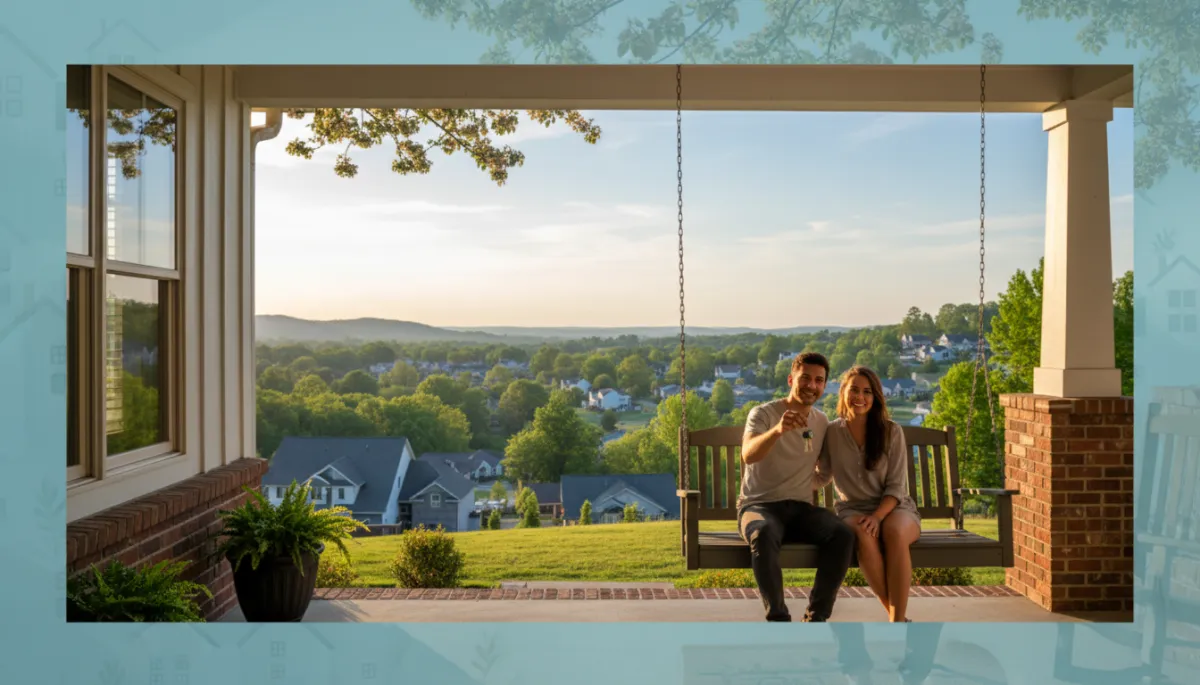
Celebrate Homeownership Month in North Carolina
Homeownership, National Homeownership Month, North Carolina Housing
Celebrating National Homeownership Month in North Carolina and Across the U.S.
June is National Homeownership Month, a time when communities across the United States come together to celebrate the dream of owning a home and to share resources that help more people get there. If you’ve been thinking about buying a place of your own—especially here in North Carolina—this is a perfect moment to learn, plan, and take your next step with confidence.
What National Homeownership Month Is All About
National Homeownership Month shines a spotlight on how owning a home can build stability, wealth, and stronger neighborhoods. All month long, organizations host workshops, fairs, and celebrations that make homeownership more approachable—especially for first-time buyers and families who’ve felt locked out of the market.
In June 2026, events are popping up across the country, from the MPDC “Next Door” kick-off in Roxbury, Massachusetts, to the National Faith HomeBuyers Fair in Detroit, which offers free workshops, credit prep, and information on down-payment assistance up to $25,000. Hybrid events like CHI’s 2026 Homeownership Expo in White Plains, New York, and webinars hosted by Alternatives Federal Credit Union in Ithaca make it easy to join from anywhere. These gatherings share one clear message: homeownership is still possible, and you don’t have to figure it out alone.
💡 Friendly Tip: Many National Homeownership Month events are free but require registration. Signing up early ensures you get a spot and access to follow-up resources.
North Carolina Housing: A Balanced Market with Room to Grow
If you’re eyeing homeownership in North Carolina, the 2026 market offers a mix of opportunity and realism. Forecasts call for moderate price growth of about 2–5% statewide, a sign of a more balanced market rather than a bubble. Median asking prices hover around $390,000, with median sale prices closer to $360,000, according to recent reports from Realtor.com and North Carolina REALTORS®.
Inventory has ticked up—listings rose roughly 11% year over year—while sales are still growing, which gives buyers a bit more breathing room. Homes spend about 50 days on the market on average, meaning you often have time to think before making an offer, instead of rushing into bidding wars. Metro areas like Charlotte, Raleigh, Durham, Wilmington, and Asheville remain hotter, with higher median prices, while smaller cities and rural communities still offer more affordable housing options, often well below the national average.
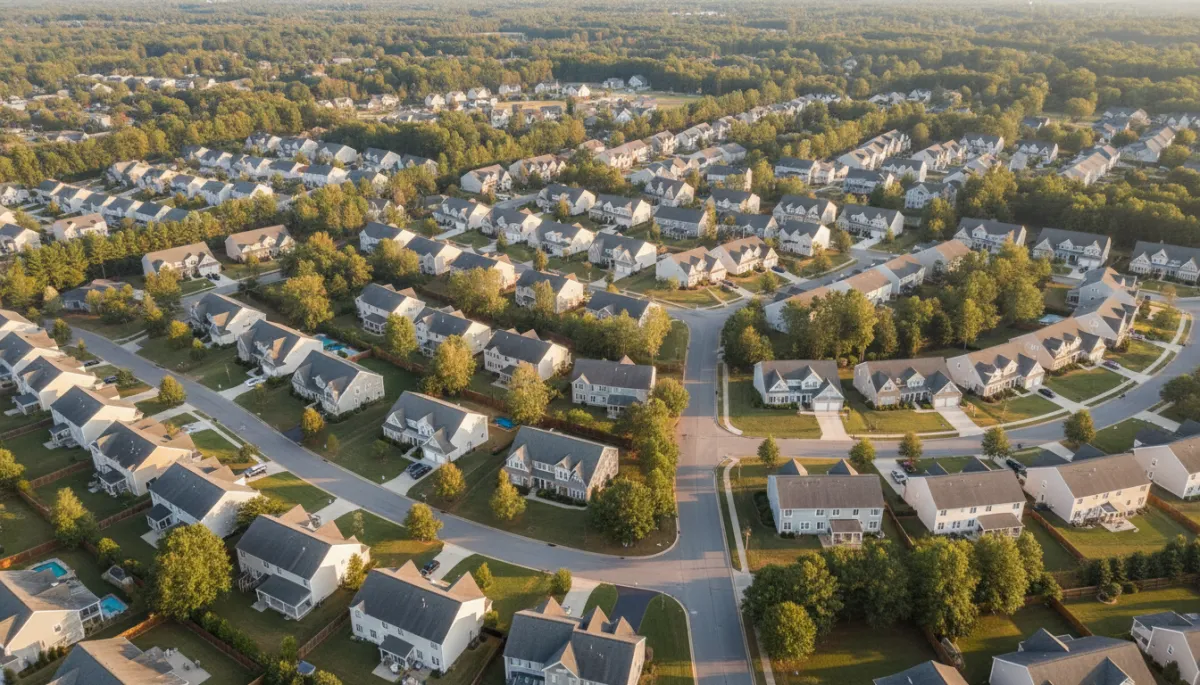
North Carolina’s balanced market gives buyers more choices without frantic bidding wars.
Real Estate Trends to Watch in 2026
Nationally, the real estate story in 2026 is one of catching up. The U.S. still faces a housing shortage of 3.7 to 4.7 million homes, and a serious gap in affordable rentals for extremely low-income households—about 7.2 million units short, according to the National Low Income Housing Coalition. That shortage keeps pressure on both rents and home prices, even as the market cools from the frenzy of recent years.
Mortgage rates are expected to average between 6% and 6.5% in 2026. While that’s higher than the ultra-low rates of the pandemic era, it’s a level many buyers can plan around. In North Carolina, policymakers are also looking at property tax relief to help cost-burdened households, recognizing that nearly 28% of residents spend more than 30% of their income on housing.
Home Buying Tips for First-Time Buyers in North Carolina
Turning the dream of homeownership into a set of clear steps can make the process feel much less overwhelming. Here are friendly, practical home buying tips tailored to today’s North Carolina housing landscape:
Know your numbers. Review your credit, monthly budget, and savings. With prices and mortgage rates where they are, it helps to understand what payment truly feels comfortable—not just what a lender says you qualify for.
Get pre-approved early. A solid pre-approval letter shows sellers you’re serious and gives you a clear price range as you shop for North Carolina housing in different cities and neighborhoods.
Explore down-payment assistance. From local nonprofits to city and state programs, many buyers qualify for grants or forgivable loans they never knew existed. National Homeownership Month events are a great place to learn about these resources.
Work with a local expert. A trusted real estate agent or HUD-approved housing counselor can help you compare communities, understand real estate trends, and avoid common pitfalls like skipping inspections or waiving key protections.

Sitting down with a local expert can turn big decisions into manageable steps.
The Ongoing Push for Affordable Housing
While many households can still achieve homeownership, the reality is that millions of Americans struggle just to find affordable housing. Nationally, more than 75% of homes on the market are considered unaffordable for a typical household earning around $80,000 per year. For extremely low-income renters, there are only 35 affordable and available homes for every 100 households who need them, and most spend more than half their income on rent and utilities.
In North Carolina and beyond, closing this gap will take a mix of new construction, smarter zoning, preservation of existing affordable units, and creative solutions like factory-built homes. National Homeownership Month is a reminder that owning a home should be within reach for more families—not just a lucky few.
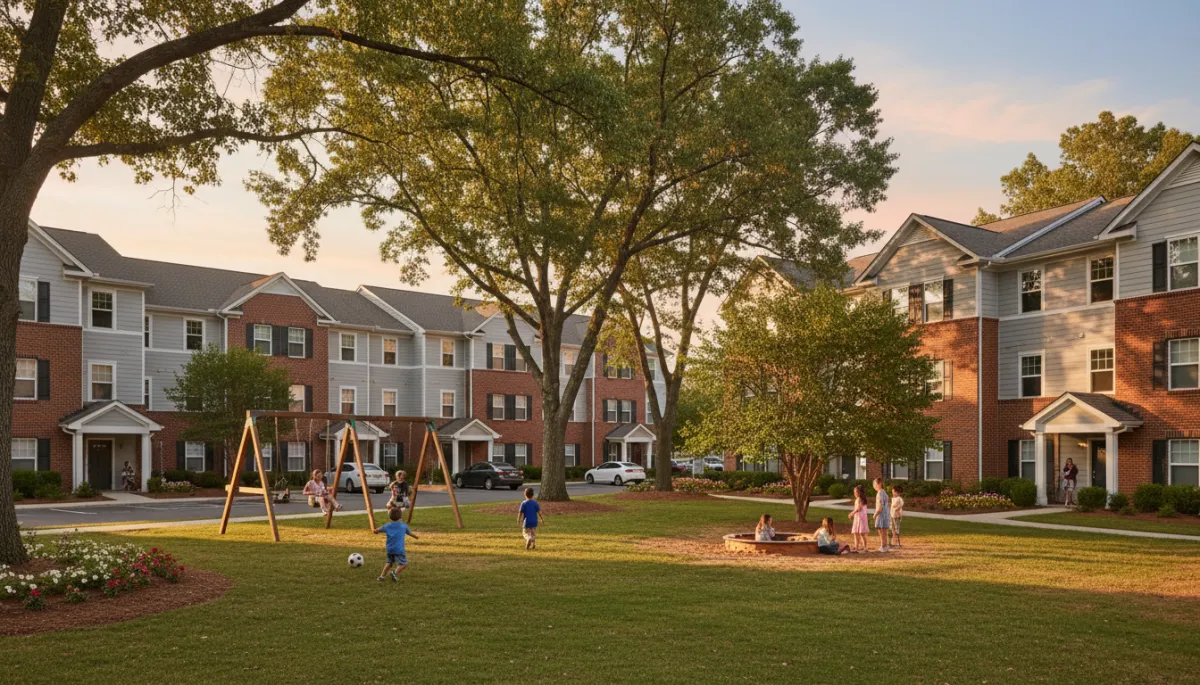
Expanding affordable housing options helps more families move from renting to owning.
Making This National Homeownership Month Your Starting Line
Whether you’re renting in Raleigh, saving in Charlotte, or exploring smaller towns across North Carolina, you can use this National Homeownership Month as a friendly nudge to move closer to your goals. Attend a virtual workshop, talk with a housing counselor, or simply sit down and map out your budget and timeline. The key is to treat homeownership not as a distant dream, but as a series of small, doable steps.
The path may look different for everyone, but you don’t have to walk it alone. With a more stable real estate market, growing North Carolina housing options, and a nationwide focus on affordable housing, there has rarely been a better time to learn, ask questions, and start building a future in a home of your own.


